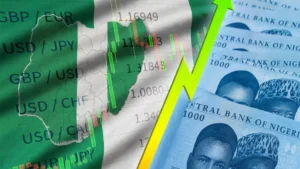
Policy Reset: MPR reduced by 350 bps to 23.00%; SDF floor compressed to 20.00% under a narrowed corridor (+50/-300 bps).
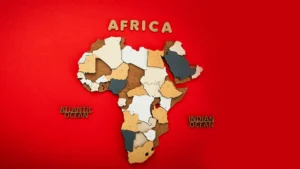
Private capital is returning to African infrastructure, but it is becoming more concentrating selective— on larger, commercially viable projects with clear demand, predictable revenues and manageable risks.
Africa’s venture capital market is moving from a funding race to a selection game. Capital remains available, but investors are concentrating it where scale, profitability and structural impact are clearest.
By mid-2026, M300 had connected more than 50 million people across 40 African countries, reaching 17% of its target in two years. With another 250 million people still to reach,...
Africa and the global economy is experiencing another shock. This follows the growing and volatile US, Israel, and Iran conflict that started on the 28th of February 2026. This report...
Recent public commentary has portrayed President Bola Ahmed Tinubu as Nigeria's most aggressive borrower since the return to democracy in 1999. Some commentators have even suggested that the current administration...
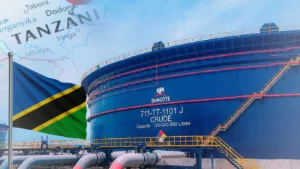
The proposed Dangote East Africa Refinery — a 650,000 barrel per day facility to be located at Tanga Port in northeastern Tanzania — is the most significant energy infrastructure commitment...
Large-scale financial reforms do not succeed solely because regulatory requirements are introduced. They succeed because financial systems possess the institutional capacity, market infrastructure, and regulatory architecture required to mobilise capital...
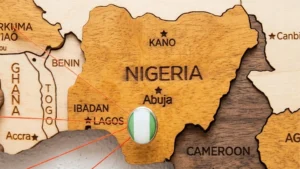
Nigeria heads into 2026 with a widening gap between strong economic growth and rising fiscal pressure.The economy is projected to grow by 4.4%, with GDP expected to reach $334 billion,...
Africa recorded a historic $97 billion in FDI inflows in 2024, a 75% year-on-year increase that raised its share of global FDI from 4% to 6%, even as global FDI...