Special Report: The Strait of Hormuz Crisis
A distant war compounding crisis for households and businesses in Africa
The Strait of Hormuz shock is not just a distant geopolitical event for Africa; it is an immediate economic transmission channel. From fuel prices to food costs, the effects are already filtering through the continent’s most vulnerable pressure points.
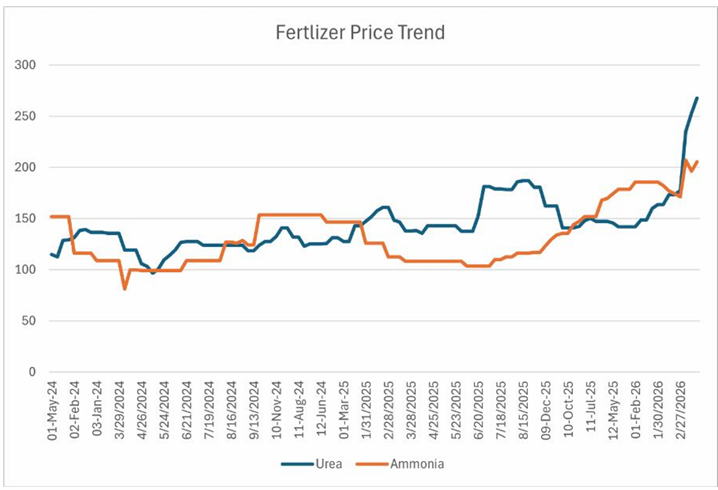
The Strait handles roughly one fifth of global oil trade and a significant share of fertilizer exports. As tensions escalated in late Q1, oil prices rose, and supply chains tightened, triggering a chain reaction across African economies.
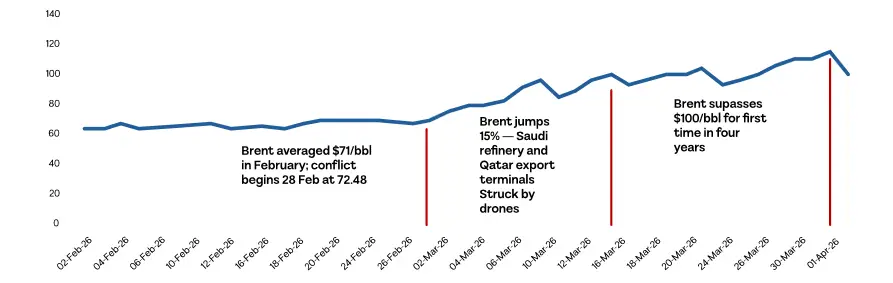
Fig 1: Brent crude oil price movement since 28 February 2026, Source: World Bank, 2026
Brent Crude Oil Price Movement during the war
What this means for Africa
For oil exporters such as Nigeria and Angola, higher crude prices support export revenues, fiscal balances, and foreign exchange inflows. But the broader continental picture is less favourable. Nearly two-thirds of Sub-Saharan Africa’s GDP comes from net fuel-importing economies, where rising oil prices feed directly into price pressures and inflation. Higher fuel costs increase transport fares, raise business operating expenses, and push up food prices in urban markets. For households, this shows up as a widening cost-of-living squeeze.